
Speakers
-
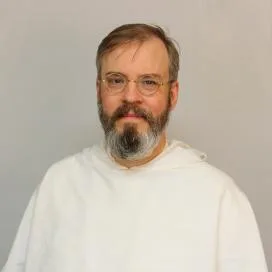 Fr. Pius Pietrzyk, O.P.Vicar for Administration, Dominican Province of St. Joseph
Father Pius Pietrzyk was first nominated to serve on the Board of Directors of Legal Services Corporation by President Barack Obama on June 25, 2010, and his nomination was confirmed by the U. S. Senate on September 29, 2010. He currently serves as the Vice-Chairman of the LSC Board.
Father Pius is a priest of the Order of Preachers (the “Dominicans”). He currently serves as the Vicar for Administration for the Dominican Province of St. Joseph, USA. He also serves as a judge on the ecclesiastical tribunal of the Archdiocese for the Military Services, USA.
Father Pius was ordained to the priesthood on May 23, 2008, after having entered the novitiate for the Dominican Province of St. Joseph in 2002. He has a License in Theology (STL) from the Pontifical Faculty of the Immaculate Conception (Washington, DC) and a Doctoral Degree in Canon Law (JCD) from the Pontifical University of St. Thomas Aquinas (Rome). Father Pius is a former professor in the Faculty of Canon Law, adjunct professor in the Faculty of Theology, and Director of Institutional Collaboration at the Pontifical University of St. Thomas Aquinas in Rome, Italy. He also previously taught at St Patrick Seminary in Menlo Park, CA and the Pontifical Faculty of the Immaculate Conception in Washington, DC.
Prior to entering the Dominican Order, Father Pius worked for three years in the Corporate and Securities practice of Sidley Austin LLP in Chicago. He obtained his law degree (JD) from the University of Chicago.
-
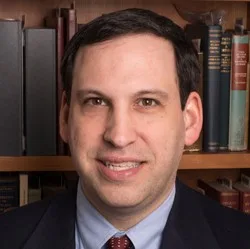 Mark RienziPresident of the Becket Fund for Religious Liberty, Professor of Law, Columbus School of Law
Mark L. Rienzi is a professor at The Catholic University of America, Columbus School of Law. Professor Rienzi teaches constitutional law, religious liberty, torts, and evidence. He has been voted Teacher of the Year three times by the student bar association.
Professor Rienzi’s litigation and research interests focus on the First and Fourteenth Amendments, with an emphasis on free speech and the free exercise of religion. His scholarship on these issues has appeared in a variety of prestigious journals including the Harvard Law Review, Fordham Law Review, Emory Law Journal, Notre Dame Law Review, and George Mason Law Review.
-
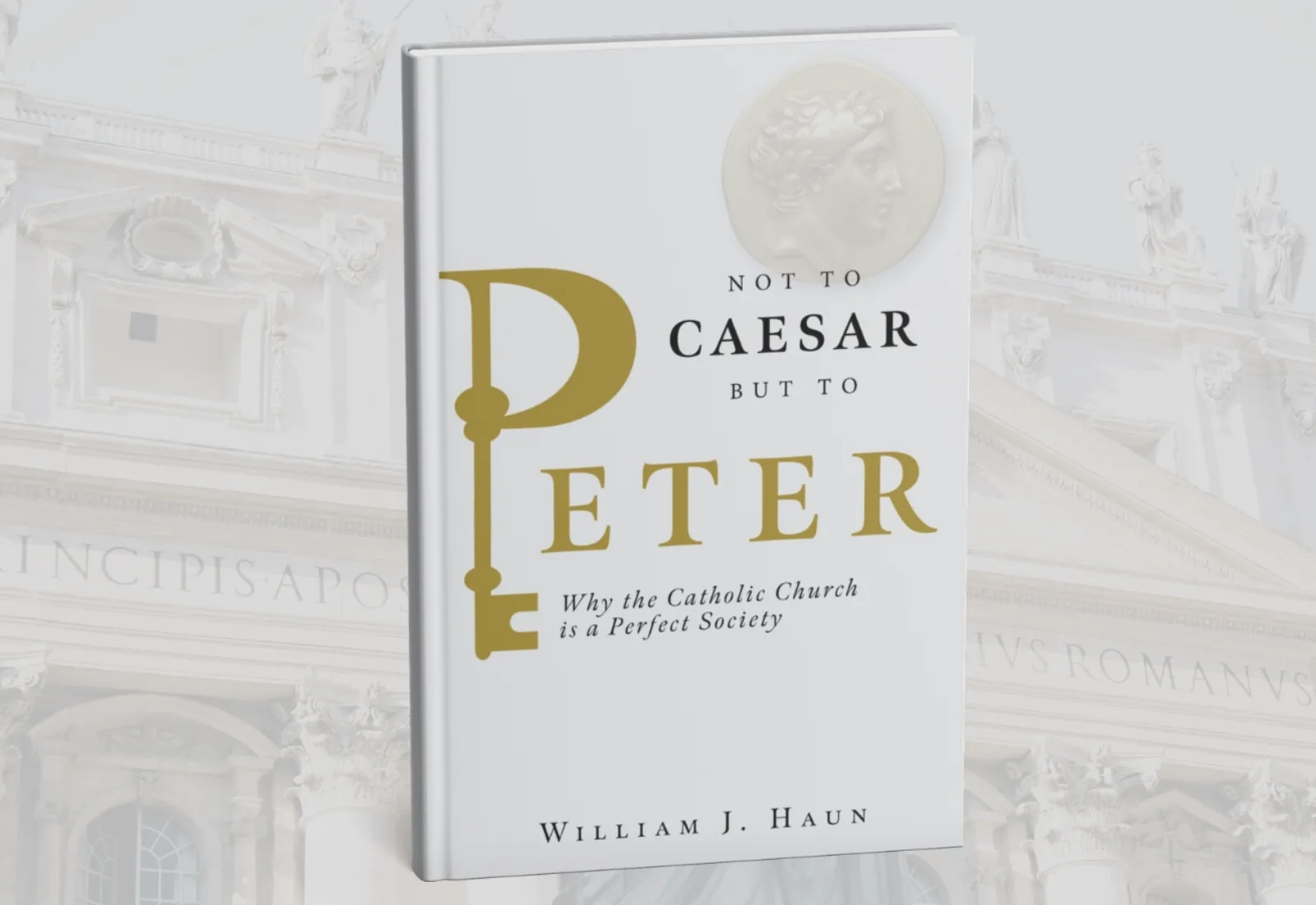
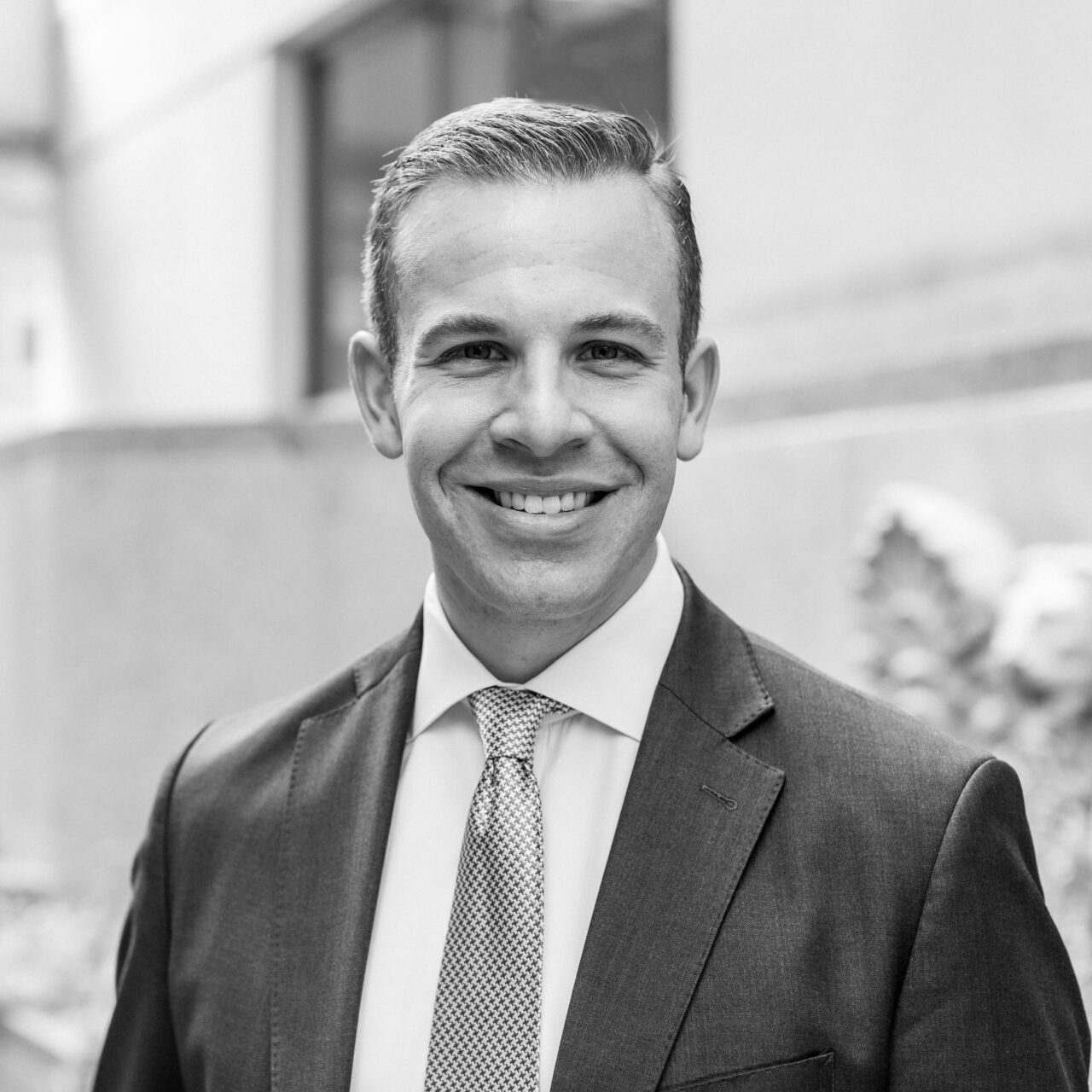 Will HaunSenior Counsel at the Becket Fund for Religious Liberty
William J. Haun is Senior Counsel at the Becket Fund for Religious Liberty and a Nonresident Fellow at the American Enterprise Institute (AEI). At Becket, Will litigates nationwide in defense of religious liberty for all faith traditions, particularly before the U.S. Supreme Court and in other federal and state appellate courts nationwide. His litigation includes being a member of the U.S. Supreme Court team that prevailed 9-0 for Catholic Social Services in Fulton v. City of Philadelphia, protecting Catholic refugee services in Michigan, protecting the right of religious organizations to advertise their existence in public, and upholding the Catholic Church’s freedom to speak accountably about its clergy. He’s argued in multiple federal appellate courts, federal district courts, and the Supreme Court of Texas.
At AEI, Will writes and researches on constitutionalism and self-government’s prerequisites, especially the role of religion in securing and preserving freedom.
Before joining Becket and AEI, Will practiced appellate and antitrust law at two international law firms—Shearman & Sterling and Hunton & Williams. He also served as a law clerk to Judge Janice Rogers Brown of the U.S. Court of Appeals for the D.C. Circuit and Judge Claude Hilton of the U.S. District Court for the Eastern District of Virginia.
Will often writes on constitutional law issues, including in the Harvard Journal of Law & Public Policy, the Catholic University Law Review, National Affairs, Law & Liberty, National Review Online, the Wall Street Journal, and the Washington Post. He has been interviewed in national media, including on CNN, in the New York Times, and in FOX News. He also speaks on these topics, including at The Catholic University of America, Columbus School of Law, Princeton University, Georgetown University Law Center, the University of Virginia School of Law, and the University of Chicago Law School.
He received his J.D. from The Catholic University of America, cum laude, where he was a published member of the Law Review. He received his B.A. from American University in political science, cum laude.
Will serves as Board Vice President of an independent, K-8 classical Catholic school, Divine Mercy Academy. He is also a Board of Advisors Member of Benedictine College’s Center for Constitutional Liberty. Will is a Knight of Merit in the Sacred Military Constantinian Order of St. George.